
Bubbles Will Bubble
This bubble is starting to look a lot like all the others

"For this not to be a bubble by definition, it requires that the benefits of this are much more evenly spread".
-Satya Nadella, Microsoft CEO
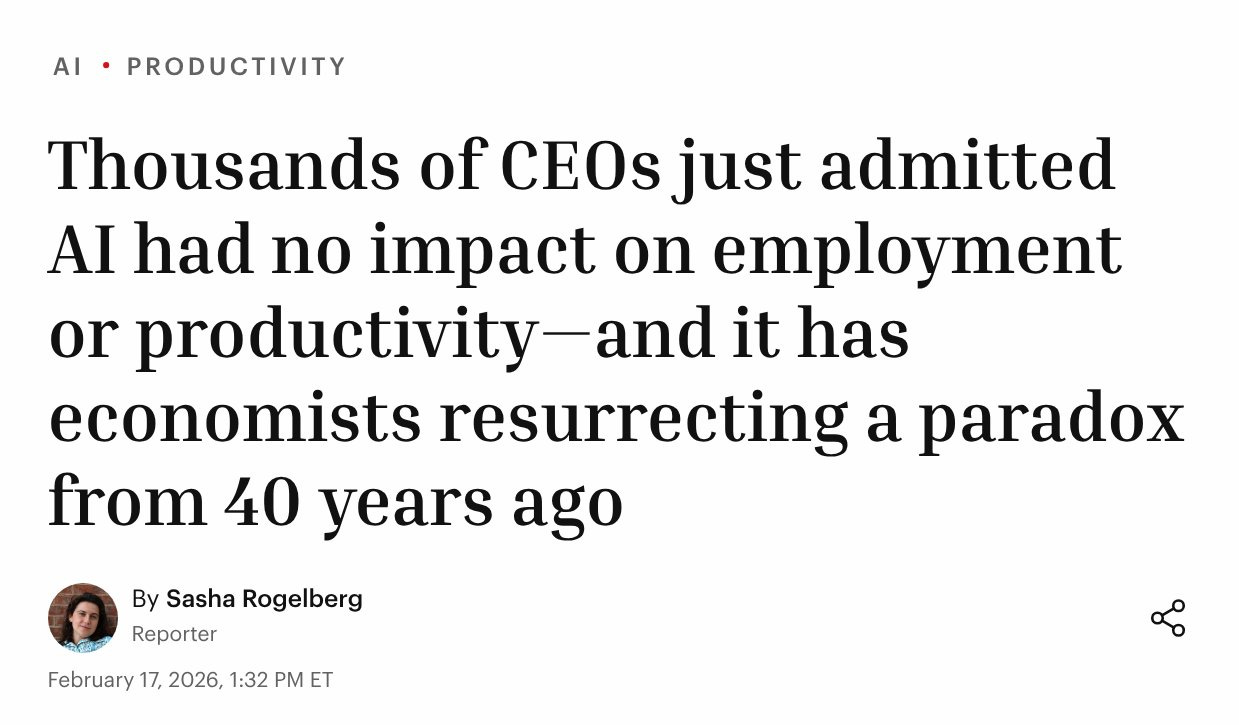
This bubble is beginning to look like all the other bubbles, except for the new 4,000 AI-generated-word-slop bolted onto every article.
The quote above from Satya is important; remember it, because we will revisit it at the end. In this moment, there is a mile-wide abyss between the reality of AI and the forecasts of what it will achieve.

Everyone’s Favorite Analog
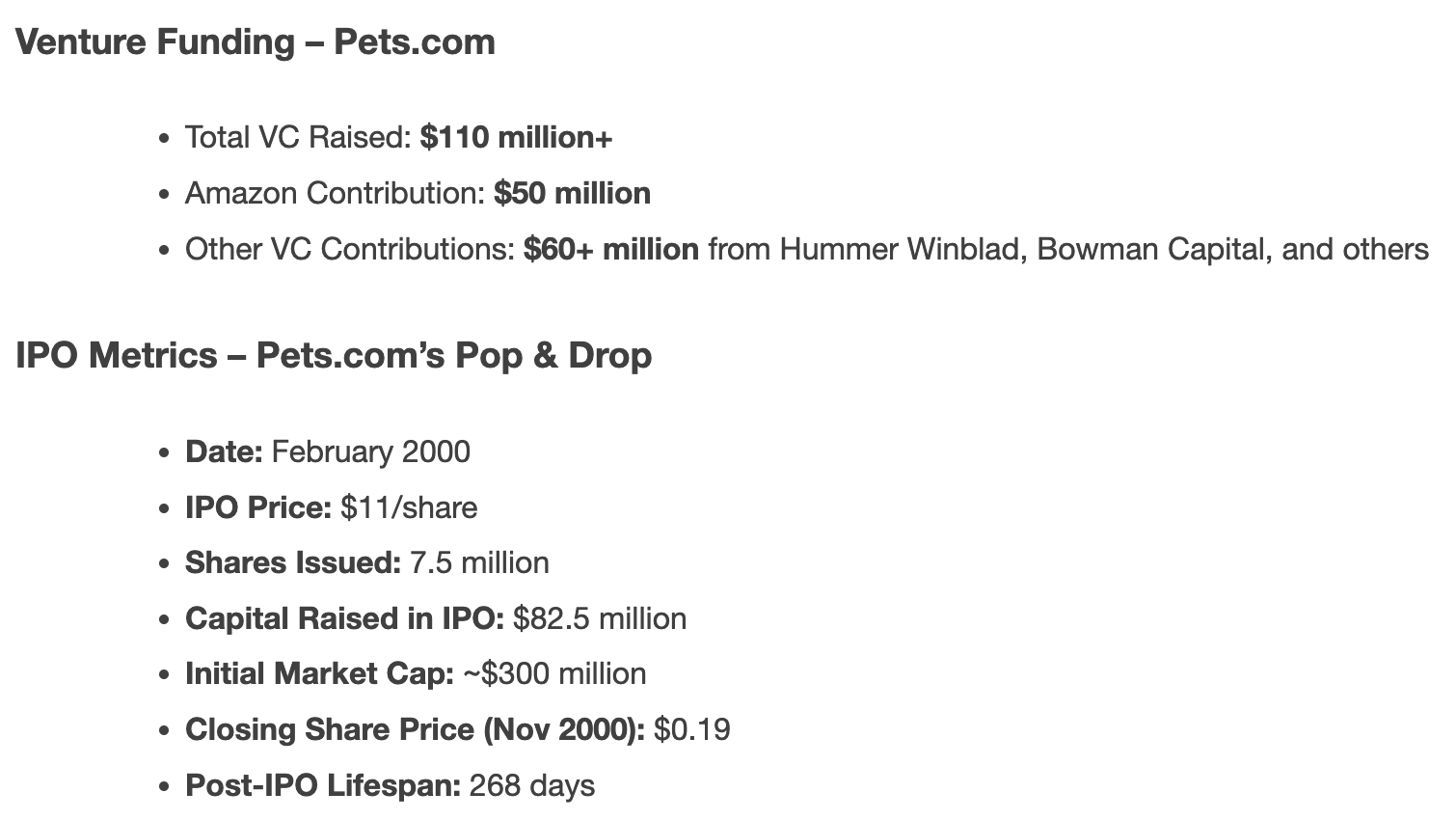
Pets.com is the investment community’s favorite example of Dot-Com extremes; investors paid any price for the latest IPO with the name dot com. People are now comparing that euphoria to AI capex and valuations.
All this means is we are likely to see new all-time highs first. I say this tongue-in-cheek because I am extremely bullish LatAm and resource, mining companies. A similar supply chain bet, but historically, the opposite end of the stock spectrum.
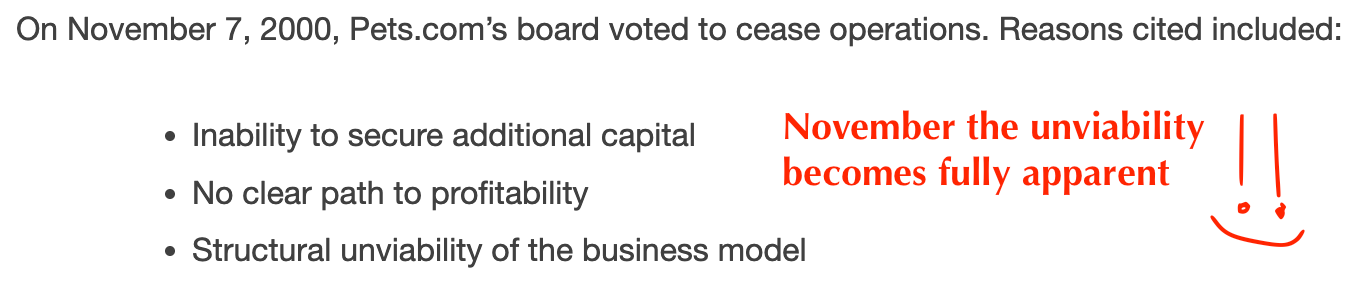
While the excessive valuations of the Mag7/quantum computing/AI are a threat, it’s overblown. This says nothing about the overall bubble. AI can still turn out positively; Pets.com never had a chance.
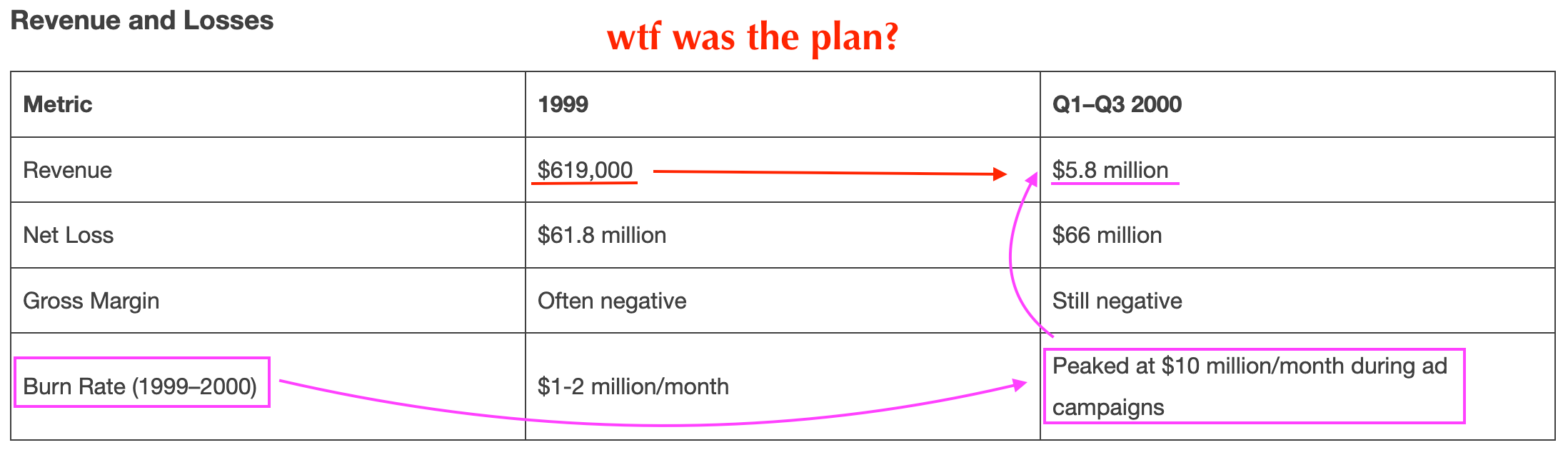
Pets.com went public at a $300M market cap, saw revenue reach under $6M in its best quarter, and spent $10M per month on ad campaigns. Darwinian logic held that the destruction of this space was necessary for human evolution.

I bet Dot-Com investors wish they had known about AI then, I mean, they could have entirely avoided the crash.
Have you considered what eliminating the friction between your pet and their autonomous agents would’ve meant? Fuzzy could engage Neuralink to get his Claude agent to order 7 chew toys and that new fatty pork mush every day. He would be morbidly obese and die after three years, but it could have been the greatest new consumer cohort not one expert predicted.
Have you seen a Chewy or Blue Buffalo order?
Yet, as we learned this week, it would still have failed because AI is deflationary, and we’re all expendable. All of us. Yes, even you, Dorn.

Two pieces are worth a read. Citrini’s piece shook people enough to drive Monday’s sell-off, while Shrub’s piece aligns more with where ArchaiQ stands.


AI is a technology that helps us do our jobs better. We are building quantitative tools and models for humans and businesses. Will it evolve? Sure. Could you reduce headcount? Absolutely. Is that the best use of ArchaiQ? Probably not—at least at first.
Let’s Plant the Flag—Doomer Top
Citrini’s piece likely marks peak hysteria: "AI is sending everything to zero." Look at PayPal before the Stripe announcement. They own Venmo, which was recently valued at more than PayPal’s entire market cap. "Shockingly," someone wants to buy it now. Markets solve mispricings when humans panic.
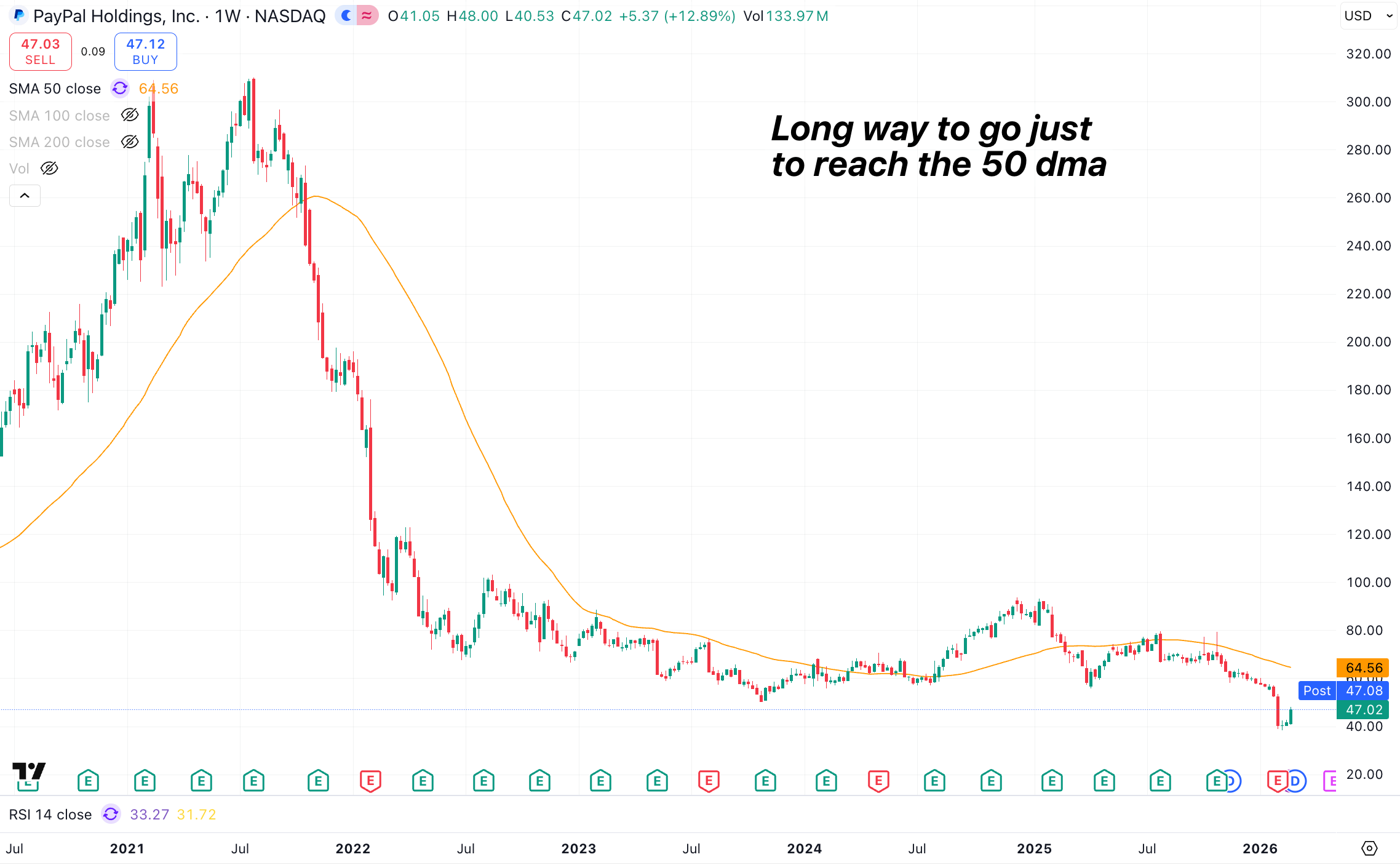
If you want to be bearish, don’t do it because Citrini woke everyone up. Do it because this round of selling will force more liquidation and the narrative drives this reflexivity. We are in a narrative-driven market; reality is the sideshow.
An AI Anecdote
This past weekend, I played golf with a friend who has been building a “human-less” boutique research business. He’s way ahead of the trend. He explained it this way:
“Your AI twin will manage your calendar. When another AI twin wants to schedule with you, they’d rather get an immediate, frictionless answer than wait for you to respond. That’s where this is going.”
I thought about this. “I see the efficiency. But that calendar would have to know A LOT about me. What if my calendar gets shared with the Pentagon and Palantir? I don’t want them knowing that much.”
“Furthermore, the people I schedule golf with are people I like; I want to hear from them and respond myself.”
I conceded that China proves this model sort of exists, and many people will go along with it.
“But again, what about Palantir?” I asked.
He said, “Well, Washington isn’t the CCP.”
I said, “No. Not yet. But what model do you think they are trying to copy?”
Here’s Where We Are
Let’s establish that we are between the extremes of “AI utopia” and “energy-preservation requires the slaughter of humans.” This bubble won't end with a slow melt of AI-corrected friction taking the S&P down 40%. Bubbles end with a bang, not a whimper.

Let me say, this is a near-perfect short video for February 2026. Hang it in the Louvre, as the cool kids say.
Here’s the point of this note: AI is why or when this bubble ends. Citrinis’ piece is thought-provoking, but it’s not how markets work. This bubble won't end with a slow melt of AI-corrected friction taking the S&P down 40%. Bubbles end with a bang, not a whimper.
The same pinprick that burst all bubbles will be the culprit: greed, fraud, waste, and excess.
A golden rule: when we prevent market cycles, the rot builds. Common risks become systemic. This is why bubbles form, the late-stage excitement of once-healthy bull markets.
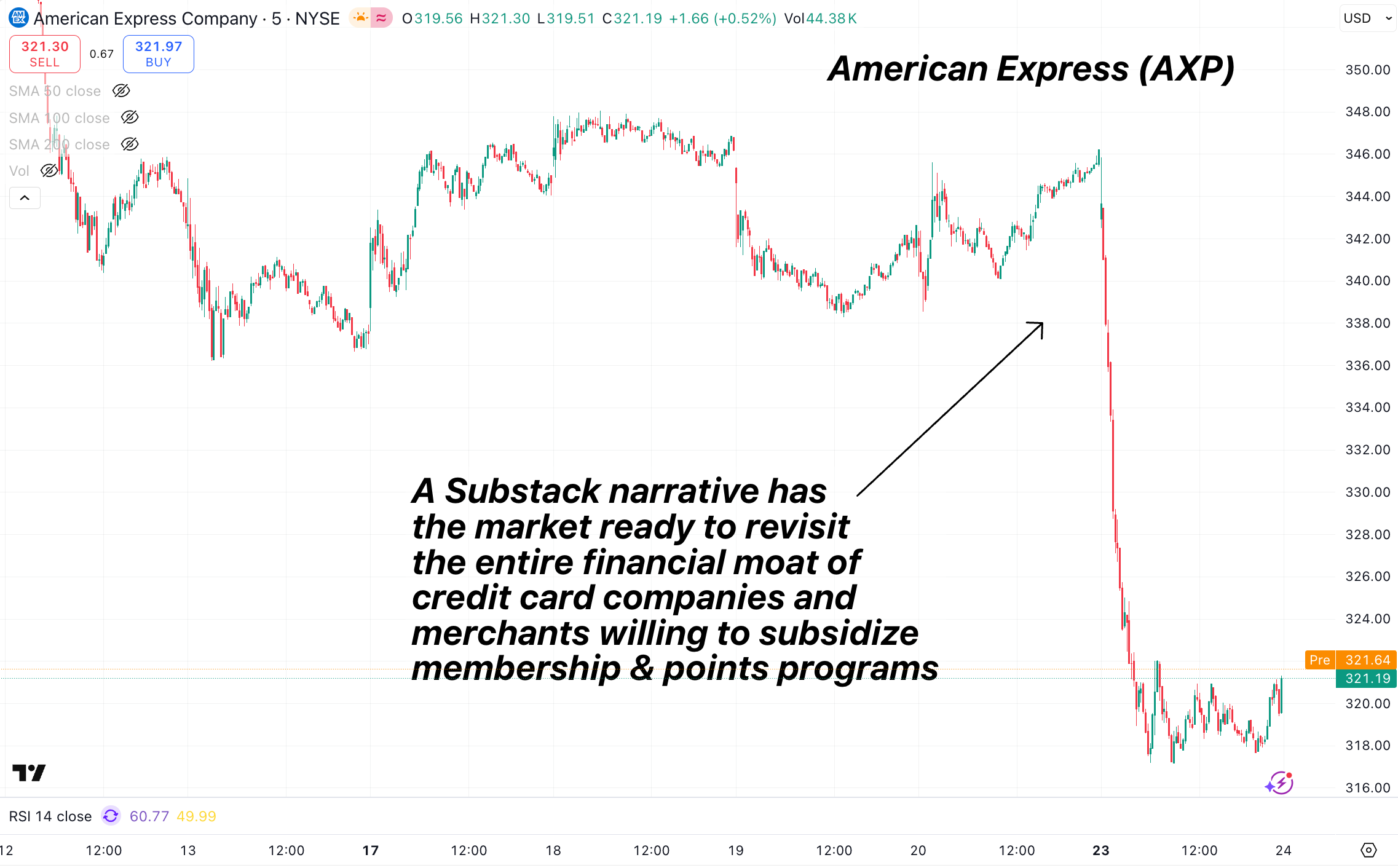
Remember, the same people who tell you that passive investing is ruining price discovery are blaming the AMEX sell-off on an AI doomer piece. Markets are still markets.
Greed, Waste, Fraud, & Excess
This was from the State of the Union address:
“We’re winning so much that we really don’t know what to do about it,” Trump said. “People are asking me, ‘please, please please, Mr. President, we’re winning too much. We can’t take it anymore. We’re not used to winning in our country until you came along. We were just always losing.’”
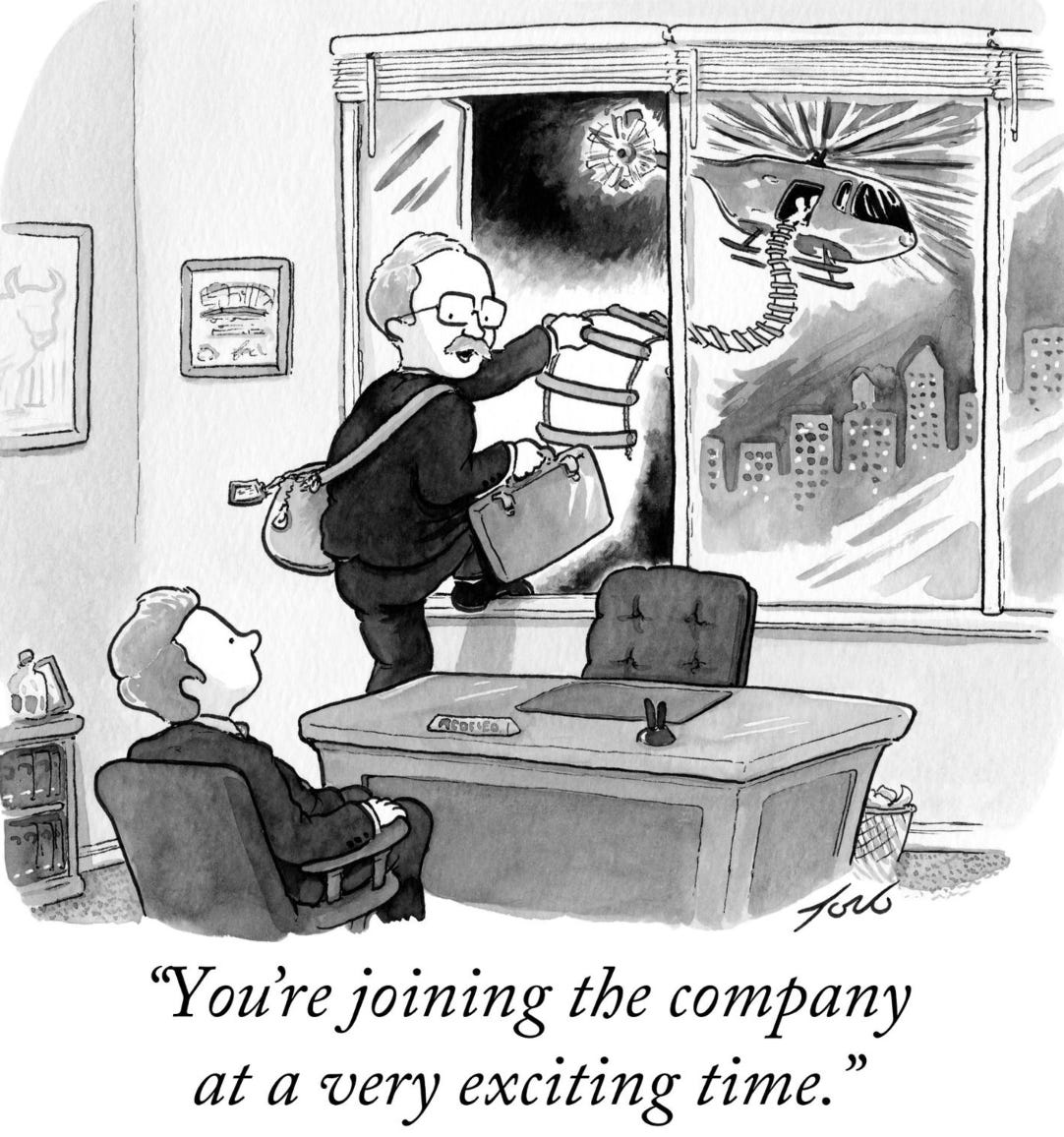
Here’s a visual of the C-Suite of countless US companies, knowing they need to cash out before the cycle ends. Sometimes an image is worth more than a 1,000 words.
The last impact of the Dot Com bubble for companies and corporate America was not lessons from Pets.com. It was the revamp of the entire accounting and accountability framework that followed. Regulators and politicians teamed up to make sure it would never happen again.
Until the next bubble, of course.
